

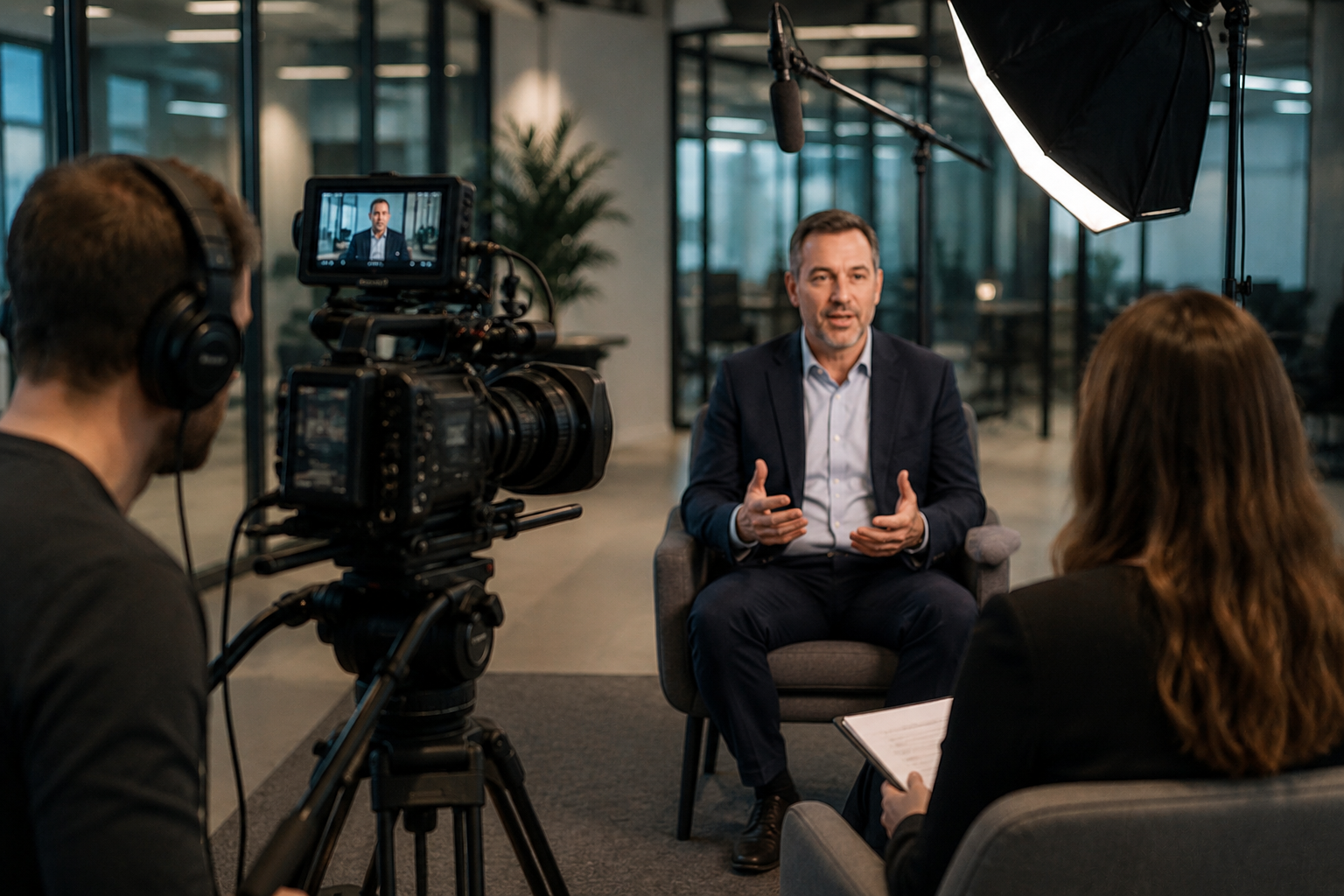
Video has become one of the most effective ways for businesses to communicate with customers, recruit employees, educate audiences, and build trust. Whether you’re creating a company overview, a product demonstration, a customer testimonial, or executive messaging, video allows organizations to connect with viewers in ways that text alone simply cannot.
However, producing a successful corporate video involves much more than setting up a camera and pressing record. Many companies invest significant time and money into video projects only to discover the final result falls short of expectations.
The good news is that most corporate video challenges are avoidable. By understanding some of the most common mistakes businesses make during the production process, you can maximize your investment and create content that delivers measurable results.
Here are seven mistakes companies make when filming corporate videos and how to avoid them.
1. Starting Without a Clear Objective
One of the biggest mistakes organizations make is beginning a video project without defining exactly what success looks like.
Before cameras roll, every project should answer a few important questions:
- Who is the target audience?
- What action should viewers take after watching?
- Where will the video be used?
- What message should viewers remember?
Too often, companies simply decide they “need a video” without identifying the purpose behind it.
A recruiting video, for example, should look very different from a customer case study. Likewise, a brand awareness video requires a different approach than a product demonstration.
The more specific the goal, the easier it becomes to structure interviews, plan visuals, and create a compelling story.
Without a clear objective, videos often become unfocused and fail to connect with the intended audience.
2. Underestimating the Importance of Audio
Most people naturally focus on camera quality, but audio quality often has a much greater impact on viewer perception.
Think about the last video you watched with poor sound. Chances are you clicked away quickly.
Common audio issues include:
- Echoing conference rooms
- Air conditioning noise
- Traffic sounds
- Clothing rustle
- Inconsistent microphone levels
Even beautifully shot footage can feel unprofessional if viewers struggle to hear the speaker.
Professional productions prioritize audio by using dedicated microphones, monitoring sound throughout the recording process, and carefully selecting filming locations.
Clear, clean audio helps audiences stay engaged and improves the overall viewing experience.
3. Choosing the Wrong Filming Location
The filming location plays a major role in how viewers perceive a company.
Many businesses automatically assume their office is the best place to film. Sometimes that works well. Other times, office environments create challenges such as poor lighting, distracting backgrounds, or excessive noise.
The ideal location should support the story being told while reinforcing professionalism and credibility.
Sometimes a studio environment can provide more control over lighting, sound, and visual presentation than a traditional office setting.
A great location should be evaluated for:
- Visual appeal
- Lighting conditions
- Noise levels
- Available space
- Brand alignment
Spending time selecting the right location before production day can dramatically improve the final result.
4. Neglecting Proper Lighting
Lighting is one of the most important elements in any professional video production project.
Unfortunately, it’s also one of the most overlooked.
Good lighting does much more than simply make subjects visible. It helps create depth, improve skin tones, separate subjects from backgrounds, and establish a polished visual appearance.
Professional lighting can help:
- Enhance credibility
- Improve image quality
- Create consistency
- Strengthen brand perception
- Maintain viewer attention
Many office environments rely on overhead fluorescent lighting that can create harsh shadows and unflattering color tones.
A properly lit interview instantly looks more professional and trustworthy.
When viewers associate quality visuals with your brand, the overall message becomes more effective.
5. Trying to Say Too Much
Many companies attempt to pack every possible message into a single video.
They want to discuss:
- Company history
- Products
- Services
- Culture
- Leadership
- Awards
- Testimonials
- Future plans
The result is often an overloaded video that lacks focus.
The most effective corporate videos usually communicate one primary message.
When a video attempts to accomplish too many goals, viewers may struggle to remember any of them.
Instead of creating one long video, consider developing multiple pieces of content that each serve a specific purpose.
This approach often improves engagement and creates a more valuable library of marketing assets.
6. Forgetting About the Viewer Experience
Many organizations create videos based on what they want to say rather than what the audience wants to hear.
The better question is:
“What information does our audience actually need?”
Customers are typically interested in solving a problem, learning about a service, understanding a process, or deciding whether they trust a company.
The strongest videos focus on delivering value to the viewer first.
When companies shift their focus toward audience needs, engagement often improves significantly.
Every scene, interview response, and visual should contribute to helping viewers better understand the topic being presented.
7. Treating Video as a One Time Project
Some businesses invest in a single video and expect it to support all of their marketing efforts indefinitely.
While a flagship video can certainly provide value, the most successful organizations view video as an ongoing strategy.
Video content can support:
- Websites
- Social media
- Recruiting
- Sales presentations
- Customer education
- Events
- Internal communications
Many organizations incorporate video into their broader marketing strategy, using content across multiple platforms to consistently engage their audience.
The companies seeing the greatest results from video today are typically creating content on a regular basis rather than treating video as a one time initiative.
Why Professional Video Production Matters
While technology has made video production more accessible than ever, creating content that truly represents your brand still requires planning, experience, and execution.
Professional video production involves much more than operating a camera. It includes strategic planning, story development, lighting design, audio capture, location selection, and post production editing.
Every detail contributes to the viewer’s perception of your company.
When businesses invest in quality production, they often benefit from:
- Increased trust
- Better audience engagement
- Stronger brand perception
- Improved lead generation
- More effective communication
High quality video helps businesses stand out in increasingly competitive markets.
Whether you’re creating customer testimonials, recruiting videos, executive interviews, educational content, or promotional campaigns, investing in the production process can dramatically improve the effectiveness of your final content.
The goal is not simply to create a video. The goal is to create a video that supports business objectives and delivers measurable value over time.
Final Thoughts
The strongest corporate videos rarely happen by accident.
They are typically the result of thoughtful planning, clear objectives, professional execution, and a strong understanding of the audience.
By avoiding these seven common mistakes, businesses can create more effective content while maximizing their return on investment.
Whether you’re producing an executive interview, a customer testimonial, a recruiting video, or a company overview, focusing on strategy, storytelling, audio quality, lighting, and audience engagement will help ensure a successful outcome.
Video remains one of the most powerful communication tools available to modern businesses. When executed properly, it can strengthen trust, improve brand perception, educate audiences, and drive meaningful results.